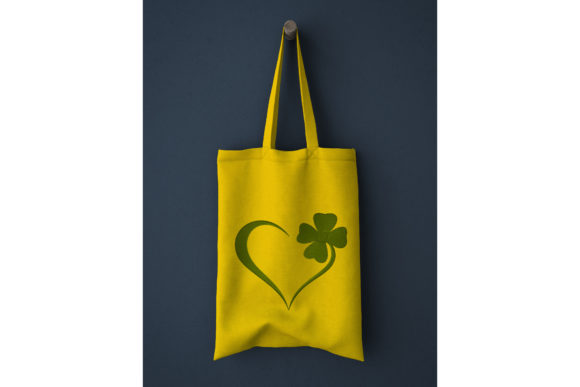
The Four Leaf Design: A Practical Embroidery Review
Before any embroidery design hits my hoop, I judge it not just as a digital file, but as a future physical object. How will it look stitched out? What kind of mood will it bring to a finished product? And crucially, where does it belong? Today, I’m thinking about the Four Leaf embroidery design from that very practical perspective.
The First Impression: Quiet Luck, Not Loud Celebration
The immediate feeling I get from the Four Leaf design is one of subtle charm. It’s not a brash, cartoonish shamrock shouting “St Patrick S Day.” Instead, it has a balanced, almost botanical layout that suggests luck in a quieter, more enduring way. This visual personality makes it versatile beyond a single holiday. It feels like a symbol you might want to carry year-round, which is a significant plus for any embroidery design meant for products.
The shape is clean, and the detail level appears thoughtful. A design digitized by hand, as noted, typically means attention has been paid to stitch flow and corner clarity, which is a relief. This isn’t just a vector image auto-punched; it’s crafted for the needle. That foundational quality matters immensely when your reputation is stitched into every item you sell.
Where Four Leaf Naturally Belongs
Let’s picture a real scenario. I’m preparing a batch of custom tote bags for a small boutique that wants a spring refresh. They’re looking for something fresh, hopeful, and slightly whimsical—not overtly seasonal. The Four Leaf design comes to mind immediately. Its balanced form would sit beautifully centered on a canvas tote bag, offering a recognizable emblem without overwhelming the fabric. The stitch work would add a tactile, handmade quality that elevates a simple bag into a boutique product.
This is where the design’s availability in six sizes becomes a real asset. For a tote, I might choose a medium to large hoop size. For a delicate application, like a baby’s organic cotton sweater as a personalized gift, I could scale it down for a sweet, discreet accent on the chest or sleeve. The same core design can serve a heavy sweatshirt and a lightweight tea towel, provided I match the stitch density and stabilizer to the fabric. That scalability is a core feature for creative entrepreneurs who work across multiple product types.
Projects That Call for This Design
- Custom Apparel: T-shirts and sweatshirts where the design acts as a focal point.
- Home Goods: Pillow covers and kitchen towels that benefit from a simple, pleasing motif.
- Personalized Gifts: Wedding or birthday gifts where “luck” is a warm, supplementary message.
- Small Shop Merchandise: Items for Etsy listings or craft fairs, like patches or aprons, that need clear, attractive visuals.
- Boutique Branding: A consistent emblem on a series of products for a cohesive brand look.
Performance in the Real World: Where to Use With Care
No design is universally perfect, and practical judgment means knowing its boundaries. For Four Leaf, the considerations are typical of any detailed emblem. On very small hoop sizes, the interior details must remain clear. I would strongly advise testing on scrap fabric first, especially if planning to stitch it on textured fabrics like knit sweaters or on curved surfaces like caps. The stability of the design on a stretchy fabric depends entirely on using the correct stabilizer and possibly adjusting the stitch density if the file allows.
Dark fabric backgrounds require a thought about thread color contrast. A classic green on a black sweatshirt pops, but if you’re going for a softer look, perhaps a white or cream thread on navy. Always check this in a black-and-white mockup first to judge contrast value. For products destined for frequent washing, like baby clothes or everyday aprons, a robust stitch density is key. The hand-digitized note suggests this was considered, but confirming that density through a test stitch is a non-negotiable step for any commercial embroidery project.
Visual Appeal and Customer Trust
When a design stitches out cleanly, with sharp corners and smooth fills, it does more than look nice. It builds customer trust. A crisp Four Leaf on a purchased item tells the buyer the maker paid attention. That professionalism translates directly into perceived product value and can turn a simple embroidered patch into a cherished gift. For Etsy sellers and craft business owners, this clarity in the finished product is a silent marketing tool, encouraging photos, reviews, and repeat engagement.
Practical Designer Notes Before You Hoop
My process for any design like this is methodical. First, I consider the final product’s context. Is this for a St Patrick S Day holiday embroidery specifically, or for a broader “good luck” theme? That decision guides thread color and product pairing.
Then, I move to the technical:
- Test the design on a scrap of the actual fabric I’ll be using—don’t guess.
- Review the stitch density visually in the file preview; look for any potentially overly dense areas that might pucker.
- Confirm the exact hoop size needed from the available six to match my project.
- Inspect the small details, like the stem and leaf points, in the test stitch.
- Compare how it looks conceptually on both light and dark backgrounds.
- Use proper stabilizer; this design’s integrity depends on it.
Finally, the business side: always check the licensing terms of the digital embroidery file. Can it be used for commercial embroidery, for selling finished products in your handmade shop, or is it for personal use only? This fundamental step protects your craft business.
The Final Stitch: A Design With Quiet Versatility
The Four Leaf embroidery design, in my judgment, is a robust digital asset. Its strength lies in its subtlety and its hand-digitized foundation. It’s not a niche holiday design; it’s a symbol with wider appeal that can enhance a range of projects from custom apparel to home decor. For the maker, it offers scalability. For the customer, it offers a clean, recognizable emblem of good fortune.
Success with it, as with any embroidery file, comes from respecting the craft. Pair it with the right fabric, the right stabilizer, and the right intent. Do your practical homework with a test stitch, and this design can become a reliable part of your embroidery project repertoire, adding value and a touch of quiet luck to everything you make.