A Practical Review of the Baseball Squirrel Embroidery Design
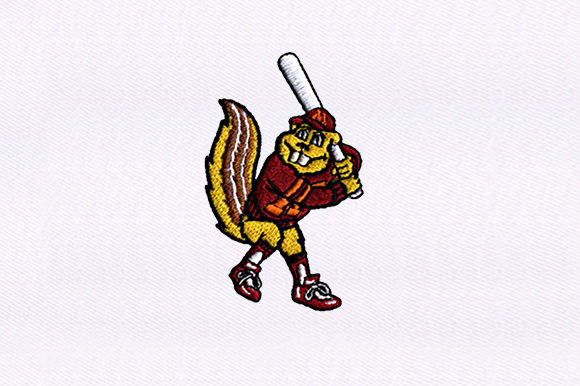
When I first opened the Baseball Squirrel embroidery file, I smiled. It has that immediate charm—a playful, slightly cheeky character that feels nostalgic yet fresh. The squirrel, poised with a bat, isn't overly cartoonish or overly detailed; it strikes a balance that suggests it’s designed for clean stitching. The layout is centered and singular, making it a straightforward focal point. This isn't a complex scene; it’s a personality. That visual personality tells me it belongs on items meant to convey warmth, humor, and a love for simple pleasures.
The First Impression: Where This Design Naturally Belongs
You can feel the mood it creates: lighthearted, sporty, and utterly approachable. It doesn't scream "professional team logo"; it whispers "weekend fan," "little league enthusiast," or "quirky gift." I instantly pictured it on a soft cotton tote bag for a baseball-loving friend, or on the corner of a cozy throw blanket in a family den. For crafters and small shop owners, this is a design that translates well into products with a handmade, personal touch—think embroidered patches for backpacks, a centered motif on a tea towel for a kitchen, or a subtle decoration on a baby’s jersey-themed romper. Its appeal is broad but specific; it won’t fit a formal corporate jacket, but it will shine on anything meant to be friendly and fun.
Thinking Through a Real Project: A Custom Embroidered Tote
Let’s walk through a real scenario. Imagine I’m preparing a custom tote bag as a gift for a coach. I’m considering fabric: a mid-weight canvas. My first practical thought is scale. Without a specified hoop size in the product details, I would advise testing this machine embroidery design on scrap fabric at various sizes to find the sweet spot. The design has areas like the squirrel’s tail and the bat that could benefit from clear satin stitch or fill stitch definition. On a tote, a size too small might muddle those details; a size too large might make the fill stitches overly dense for the fabric. I’d likely aim for a 4x4 or 5x5 hoop area as a starting test, ensuring the character remains crisp without overpowering the bag.
The color palette suggested by the design is naturally earthy—browns, grays, perhaps a pop for the baseball. This is excellent for thread color contrast on lighter fabrics. However, if I were stitching this on a dark navy sweatshirt, I’d need to plan carefully, perhaps using brighter shades for the squirrel to maintain visibility. The stitch count isn’t provided, so a scrap test is crucial to gauge runtime and thread usage for my project planning.
Performance Across Different Embroidery Situations
This Baseball Squirrel design, given its sports category, has a natural home on apparel. On a standard cotton t-shirt or a sweatshirt, with proper stabilizer, it should stitch out cleanly. For baby clothes, I’d lean towards a smaller application on a sleeve or chest, ensuring the stitch density is appropriate for delicate, often stretchy fabric. A cap or hat presents a curved surface challenge; the rounded design layout should adapt well, but I’d be extra cautious about tiny details like the squirrel’s eyes or bat seams on that texture.
As a patch, it’s a strong candidate. Finished as a standalone embroidered patch, it becomes a versatile product for an Etsy seller or craft fair—it can be applied to anything. For home decor like pillow covers or nursery decor, it adds a soft, sporting touch without being aggressive. As a holiday gift—say, a Father’s Day apron or a birthday kitchen towel—it hits that sweet spot of personalization and theme.
For commercial embroidery projects or as a digital product asset in a shop, its clarity is key. The provided file formats, including PES, DST, and JEF, cover a wide range of machines, which is excellent for digital product sellers offering this to a broad audience. Before selling any finished product, however, confirming the licensing terms is an absolute must.
Where This Design Requires a Careful Approach
Not every project is ideal. On very textured fabrics like thick terry cloth or looped blankets, the finer lines might get lost. Thin fabrics like silky polyesters could struggle with the pull of the stitches if the density is high. I would not recommend this for items requiring frequent, harsh washing unless it’s stitched with robust thread and secured properly—the charm could fray.
The design doesn’t appear to have intricate tiny lettering, which is good, but areas like the baseball stitches or the squirrel’s paws are smaller elements. On a very small hoop size, these could become blobs rather than details. Always, always test on a fabric scrap that mimics your final product’s texture and color.
Impact on Your Product’s Appeal and Value
From a business and maker perspective, a well-executed Baseball Squirrel embroidery elevates a simple item. On a handmade product, it shows thoughtful design choice—it’s not a generic stock image. This builds customer trust and boosts the perceived value. For personalized gifts, it feels specific and engaging. Its recognisable, friendly theme aids in buyer engagement; people connect with it quickly.
For brand consistency, if your small shop theme is “playful and handmade,” this design fits seamlessly. Its professionalism comes from your execution: clean stitches, good placement, and appropriate product pairing. A messy stitch-out on a poor fabric choice undermines it; a crisp one on a well-chosen item makes it giftable and sellable.
Printable mockups for your Etsy listings using this design should show it on realistic products. I’d advise creating mockups on both light and dark backgrounds to show potential customers how it adapts.
Final Practical Notes for Embroidery Designers
My review boils down to this: Baseball Squirrel is a versatile, character-driven design with strong commercial and hobbyist potential. Before committing it to a client’s custom apparel or your next batch of boutique merchandise, do your due diligence.
Test it first. Run the embroidery file on scrap fabric similar to your target material. Check the thread color contrast. Review the stitch density by looking at the stitched sample—are any areas overly thick or too sparse? Inspect the small details for clarity.
Confirm the hoop size that works best for your intended application. Use the proper stabilizer for the fabric—this is non-negotiable for a clean finish. If you plan to sell the finished items, verify the licensing for commercial use. For digital product sellers, the broad format list is a major advantage, but ensure your product description clearly states what buyers are getting.
This design, when stitched well, creates a product with a story. It’s not just a squirrel; it’s a baseball squirrel. That tiny narrative, embroidered onto a tote, a sweatshirt, or a baby blanket, is what turns a craft into a conversation and a simple item into a cherished product.