A Real-World Review of the Roasted Cashew Nuts Redwork Design
As an embroidery designer sourcing files for commercial projects, I approach new designs with a critical eye for practical application. When considering the Roasted Cashew Nuts with Leaf Redwork embroidery file from Creative Fabrica for real customer orders, my evaluation centers on its performance beyond the digital preview. This isn’t just about a cute image; it’s about how it stitches out on fabric, how it integrates into a product, and whether it enhances the final handmade item.
First Impressions: Rustic Charm with Project Flexibility
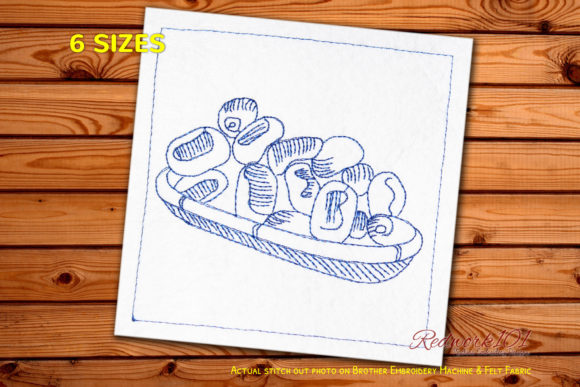
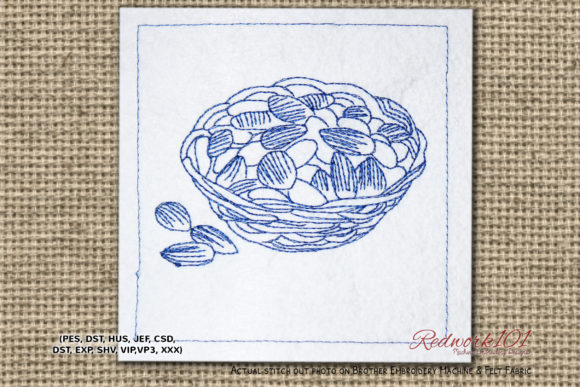
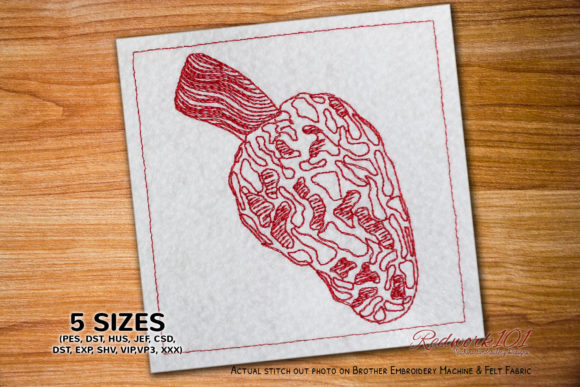
The design immediately conveys a warm, rustic, and slightly vintage mood. The redwork style—typically characterized by a single color outline—gives it a classic hand-embroidered feel that is very appealing for certain markets. The detail level is thoughtful: the cashew nuts themselves have a pleasing organic shape, and the accompanying leaf adds a decorative touch without overcrowding the motif. This embroidery design has a personality that leans towards cozy, homemade, and natural. It doesn’t scream “commercial”; it whispers “handcrafted,” which is a significant advantage for sellers targeting customers looking for authentic handmade gifts.
Naturally, it fits into the Food category, but its application is broader. I envisioned it on kitchen-themed items immediately: aprons, kitchen towels, and pillow covers for a cozy farmhouse kitchen. But its charm also extends to tote bags for a grocery or market run, baby blankets or nursery decor with a subtle food theme, and even caps or sweatshirts for a lover of simple, illustrative art. The fact that the optional box stitch frame, as noted in the description, can be skipped is a major plus. This allows you to use the core cashew and leaf motif independently, adapting it to projects where a border might feel constraining, like on a curved cap surface or a small embroidered patch.
Performance in Real Embroidery Projects
For any custom apparel or handmade product, stitch execution is paramount. Based on the visual style, this appears to be a design composed primarily of running stitch outlines, which generally translates to reasonable stitch density. This is good news for projects on textured or stretchy fabric like sweatshirts, as lower density designs are less likely to distort the fabric or cause puckering. However, always test on scrap fabric first, especially when working with knits.
The design’s simplicity suggests it will work well in smaller hoop sizes, making it suitable for items like baby bibs, kitchen towels, or the corners of pillow covers. For dark fabric, the single-color redwork approach means thread color contrast is crucial. You might choose a bright cream or a bold rust instead of a traditional red to ensure visibility. Creating light and dark fabric mockups before stitching a final product is always advised.
One practical note: the description mentions the box color varying. This is a reminder to review stitch density and potential color changes in your software before hooping. Since the file details and specific thread colors aren’t provided here, it’s essential to check the Creative Fabrica product page for the exact embroidery file formats, stitch count, and any layer information before beginning a commercial project. Always use a proper stabilizer suited to your base material; for a design like this on a tote bag made of canvas, a firm cutaway might be best, while on a tea towel, a lighter tearaway could suffice.
Adding Value to Handmade Products and Gifts
The true test of a digital embroidery file is how it elevates the finished product. Roasted Cashew Nuts with Leaf Redwork has a strong decorative appeal that feels intentional and artistic, not generic. For an Etsy seller or craft fair vendor, this contributes directly to buyer trust and handmade presentation. A well-executed, charming design like this on a product tells the customer that care was taken in its creation.
It enhances product photography significantly—the clean, illustrative motif photographs clearly and can be styled beautifully in mockups. This aids in customer engagement online. For personalized gifts, such as a set of embroidered towels for a foodie friend, this design adds a layer of thoughtfulness. It can also support brand consistency for a small business focused on kitchenware or rustic home decor, providing a recognizable visual asset across different product lines.
Regarding giftability and products that need frequent washing, the likely lower stitch count of a redwork design is beneficial. Less dense stitching can often withstand repeated laundering better, as there’s less tension on the fabric threads. After stitching, always inspect small details like the leaf veins and nut contours to ensure they are clean and intact, guaranteeing a high-quality finish for your customer.
Final Practical Considerations for Commercial Use
In summary, Roasted Cashew Nuts with Leaf Redwork from Creative Fabria is a design with substantial potential for niche commercial embroidery projects. Its strengths are its aesthetic charm, adaptability (thanks to the optional border), and probable technical suitability for a range of fabrics and items. Its potential weakness is the need for the embroiderer to actively manage its application—choosing the right thread color for the fabric, deciding whether to include the box, and confirming all file details beforehand.
Before downloading and using it for a real customer order—whether for a patch, baby blanket, or boutique merchandise—do your due diligence. Confirm file details and licensing on the product page. Ensure your machine can comfortably handle the anticipated hoop size. And most importantly, stitch it out on a sample. This hands-on test will reveal everything about its stitch density, the clarity of its small details, and how it truly looks on the final material. For designers and makers looking for a warm, food-themed, handcrafted-style motif, this Creative Fabrica embroidery design is certainly worth considering as a versatile design asset in your library.