Morel Mushroom Embroidery: A Designer's Review for Personalized Gifts
As an embroidery designer preparing designs for a personalized gift shop, my process always begins with a careful review. Today, I'm testing the Morel Mushroom embroidery file, imagining it stitched onto real customer orders. This review is a practical look at its charm, its challenges, and its potential to become a beloved part of someone's home or a cherished gift.
The First Impression: Earthy Elegance & Handmade Charm
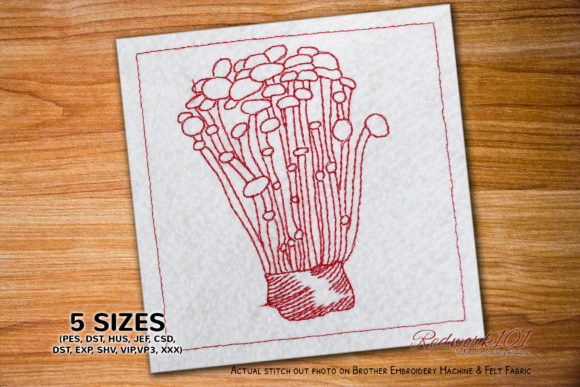
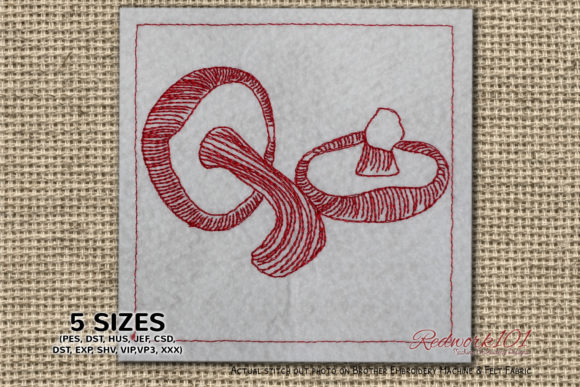
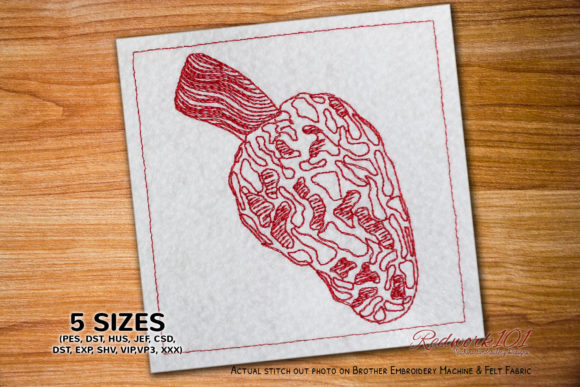
The Morel Mushroom design immediately strikes a distinct mood. It feels elegantly rustic, with a detailed, organic quality that is both classic and modern. This isn't a playful cartoon mushroom; it carries an earthy sophistication. The charm lies in its realistic detail, suggesting a connection to nature, foraging, cooking, or simply the quiet beauty of the woods. This emotional appeal is potent for gift-giving. It feels handmade, thoughtful, and carries a subtle seasonal nod without being overtly "fall-only." For a customer seeking a meaningful embroidered gift, this design whispers a story rather than shouting it.
Perfect Applications for Baby, Wedding, & Home Keepsakes
This design's versatility for personalized gifts is excellent. Its elegant naturalism opens doors to many niches.
For Baby & Nursery Embroidery
Imagine this design on a linen baby blanket or the corner of a nursery pillow cover. For parents who love nature-themed names or a woodland-inspired nursery, the Morel Mushroom adds a unique, artistic touch far beyond typical motifs. It would pair beautifully with earthy tones and natural fabrics.
As a Wedding Gift or Family Keepsake
For a couple who enjoys cooking or hiking, a custom embroidered apron or kitchen towel featuring this design becomes a deeply personal wedding gift. Stitched onto a pillow cover as a wedding keepsake, it symbolizes a shared love for the simple, beautiful things in life. It’s a design that can grow with a family.
For Home Goods & Small Shop Products
For Etsy sellers and craft fair vendors, this design elevates everyday items. An embroidered towel set, a canvas tote bag, or a linen apron becomes a premium, handmade product. The perceived value is high because the design feels artistic and specialized. In product photography, its detailed texture will look exquisite, boosting buyer engagement and trust in your handmade quality.
Where to Use Carefully: Navigating Details & Fabrics
While beautiful, the Morel Mushroom design, like any detailed machine embroidery design, requires thoughtful application to ensure a flawless finished product.
- Delicate Details & Small Elements: The mushroom's intricate texture and likely fine lines mean you must be cautious on stretchy fabrics like baby clothes or on textured fabrics where details can get lost. Always test on scrap fabric first.
- Fabric Color & Contrast: Reviewing thread colors for both light and dark backgrounds is crucial. On dark fabric, you may need lighter or brighter threads to maintain definition. Creating both light and dark fabric mockups for your Etsy listing previews shows customers how it adapts.
- Heavy Use Items: For items like thick towels or aprons that need frequent washing, stitch density and stabilizer choice are paramount. A dense design on a towel can become stiff; proper technique is key.
- Curved or Small Surfaces: Hooping a curved tote bag handle area or a small baby bib corner requires confirming your hoop size can accommodate the design area without distortion. Check those small details after stitching.
Enhancing Giftability & Customer Connection
The true test of any design for a personalized gift shop is how it feels when finished and given. The Morel Mushroom excels here. Its uniqueness fosters a strong emotional connection. A customer receiving a custom embroidered pillow with this design feels they got something truly one-of-a-kind, not a mass-produced image. This builds immense customer trust in your shop. For baby product creators or wedding gift designers, offering this as a customization option signals a curated, sophisticated taste. It attracts customers who appreciate artistry and personal meaning over generic trends.
Practical Embroidery Notes for a Smooth Stitch
Before running this digital embroidery file on a customer's order, here are my professional steps.
- Test Everything on Scrap: Use a fabric similar to the final product (linen, cotton towel, blanket material) to check stitch density, detail clarity, and any potential puckering.
- Confirm Your Hoop Size: Ensure the design fits comfortably within your available hoop to avoid repositioning mid-stitch.
- Stabilizer is Your Best Friend: Match the stabilizer to the fabric texture. Woven stabilizer for linens, a sturdy cut-away for towels or tote bags.
- Thread Color Contrast Check: Hold your selected thread spools against the actual product fabric. Does the mushroom detail pop? Adjust if needed.
- Review Small Details Post-Stitch: After the test run, inspect the finest lines and textures. Are they clean? This informs whether you need to adjust speed or tension for the final.
- Critical: Licensing for Commercial Use: If you plan to sell the finished products (embroidered towel, pillow cover, blanket embroidery), you must confirm commercial licensing for the Morel Mushroom design file before listing any item. Never assume.
A Note on the Optional Box Stitch
The product note mentions an optional box stitch, with the box color often different unless part of the design itself. In my planning, I consider this purely a framing element. For a clean, modern look on a gift item, I would likely skip it to let the mushroom stand alone. If used, I'd treat it as a separate color change and ensure it complements, not competes with, the main design's earthy palette.
Final Thoughts for Your Personalized Gift Shop
The Morel Mushroom embroidery design is a strong contender for your collection of custom embroidery offerings. It brings an earthy elegance that appeals to a discerning customer seeking a non-traditional, meaningful gift. Its success hinges on your careful preparation: testing on appropriate fabrics, managing the delicate details, and showcasing it through beautiful product photography. When stitched with care onto a baby blanket, a wedding apron, or a kitchen linen, it transforms a simple item into a handmade heirloom. That transformation is the core of a thriving small shop product business.