Shiitake Mushroom Redwork: A Designer's Practical Review
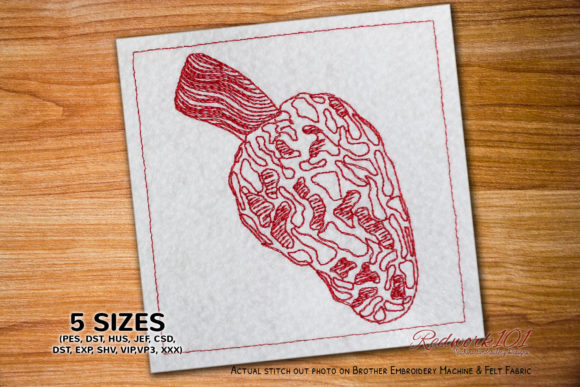
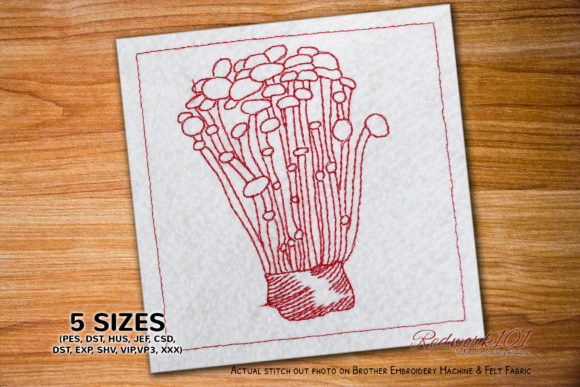
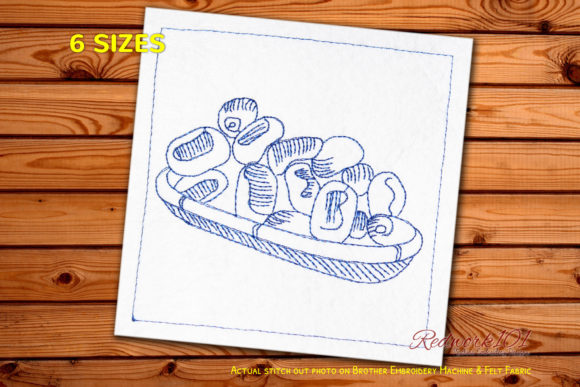
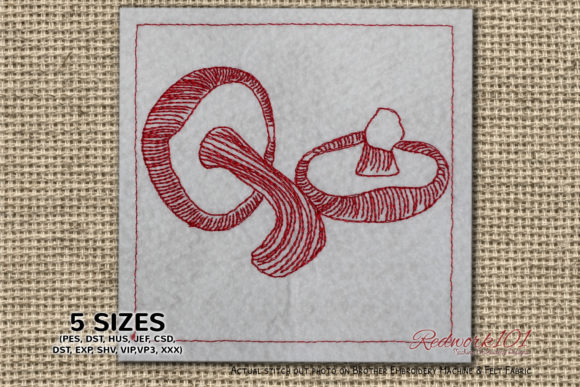
When I first opened the Shiitake Mushroom Redwork embroidery file, my immediate thought was how perfectly it captured that rustic, earthy charm. It’s not a flashy, overly detailed illustration; it’s a clean, confident outline that feels both modern and timeless. The single mushroom, with its distinctive cap shape and simple stem, creates a mood of quiet sophistication. It’s a design that whispers rather than shouts, making it incredibly versatile for a handmade product.
The Kind of Projects This Mushroom Naturally Belongs To
Imagine you’re preparing a batch of custom tote bags for a small shop. You want something that feels artisanal, a design that elevates a simple canvas bag into a thoughtful, boutique-quality item. This is where the Shiitake Mushroom Redwork shines. Its clean lines stitch out with excellent clarity, making it ideal for a tote bag’s textured fabric. It wouldn’t look out of place on a linen apron or a cotton tea towel either—it has that natural, food-themed affinity that works beautifully in kitchen settings.
For a more personal touch, consider a baby’s organic cotton sweater or a nursery pillow cover. The design is gentle and uncomplicated, free from overly dense stitch areas that might feel stiff on delicate fabrics. As a holiday or wedding gift—perhaps for a cooking enthusiast—an embroidered kitchen towel with this mushroom feels uniquely personal and far more valuable than a generic store-bought item.
Where It Excels and Where to Use Caution
In real-life embroidery situations, like a sweatshirt or cap, the design’s simplicity is its strength. On a curved surface like a cap, the lack of tiny, intricate details means it will stitch cleanly without distortion. For an embroidered patch, the bold outline offers great recognition. It’s a design that boosts visual appeal through its thematic purity, not through complexity, which in turn enhances the perceived value and professionalism of your finished product.
However, a practical designer always considers limitations. While the design is adaptable, I would be cautious on very small hoop sizes if you’re aiming for maximum detail clarity. On stretchy fabrics like certain t-shirts, using the proper stabilizer is paramount to keep those smooth lines intact. The description notes that the box stitch shown is optional and its color can be skipped, which is a helpful flexibility. On dark fabric backgrounds, thread color contrast becomes critical—a bold, creamy white or a light grey thread would make this mushroom pop, whereas a low-contrast color might lose its definition.
Thinking Through the Customer's Eyes
When a customer sees this mushroom on a product, whether in your Etsy listing or at a craft fair, it communicates a specific aesthetic. It speaks to natural living, culinary passion, or simple, earthy decor. This isn’t a cartoonish graphic; it’s a design that feels intentionally handmade, which builds customer trust and engagement. For a small business owner, it can become a consistent brand element for a line of food-themed merchandise, from aprons to tea towels, creating a cohesive collection.
Its giftability is high because it’s niche without being obscure. People recognize a shiitake, and that recognition, paired with the quality of the embroidery work, makes the item feel special. For an apparel decorator, placing this on the pocket of a linen shirt or the front of a lightweight jacket could create a standout, minimalist piece.
A Few Essential Designer Notes Before You Stitch
My strongest advice is always to test the embroidery file on scrap fabric first. Use the same material you plan for your final project—a canvas scrap for a tote, a knit scrap for a sweatshirt. This lets you review the actual stitch density, inspect how the small details of the cap and stem render, and confirm your chosen hoop size works comfortably.
Check your thread color choices against both light and dark fabric backgrounds, even by creating simple black and white mockups to judge contrast. Remember, the outer box color is different in most designs unless part of the design itself, so you can skip it directly, simplifying your color palette. Always use a stabilizer suited to your fabric texture to preserve that clean redwork look.
Crucially, before selling finished items or using this in commercial embroidery projects, confirm the licensing terms of the digital embroidery file. Understanding whether it’s cleared for commercial use protects your craft business and ensures professionalism.
Final Impressions for Your Embroidery Project
The Shiitake Mushroom Redwork design is a practical, charming asset. It doesn’t demand special skills or rare materials; it’s a straightforward design that, when executed well, results in a strikingly elegant finished product. It fits into the busy workflow of a creative entrepreneur perfectly—quick to stitch, adaptable to many products, and resonant with a specific, appreciative audience.
Whether you’re personalizing gifts, building your small shop merchandise, or creating digital product previews for your own designs, this mushroom offers a solid foundation. Its visual personality is calm and confident, making it a reliable choice for projects where you want the embroidery to feel intentional, artful, and thoughtfully made.