Egyptian Pattern Machine: A Brand Identity Design Review
First Impression: A Bold and Professional Visual Statement
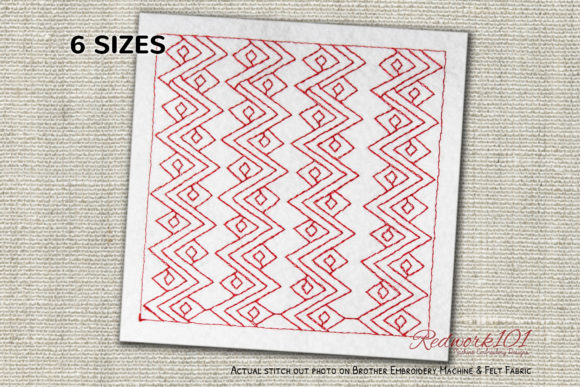
From a professional design perspective, the Egyptian Pattern Machine immediately presents itself as a strong visual asset. The name and description suggest a structured, geometric motif, likely with a distinct border element. This creates a first impression of both professionalism and cultural character. For a small business, this design feels bold and classic rather than overly playful or rustic. It has the weight to convey authority and heritage, making it suitable for businesses wanting to appear established and trustworthy, while the optional nature of the outer box stitch adds flexibility.
Real-World Business Applications: Beyond Decoration
This is not merely a decorative motif; it's a versatile tool for building a branded merchandise ecosystem. Let's evaluate its performance across key small business applications.
Embroidered Patches for Product Labels and Retail Merch
For a handmade shop, café, or boutique, an embroidered patch using the Egyptian Pattern Machine can elevate product packaging. Sewn onto tote bags, apron ties, or as a standalone label on candles or artisan goods, it acts as a premium seal. The optional box stitch could frame your brand name beautifully on a patch. However, patch application requires careful testing at small sizes to ensure the pattern's detail remains clear and the stitch density doesn't become too stiff.
Uniform Embroidery: Staff Identity and Customer Trust
On staff uniforms, aprons, or work shirts, this design functions as a powerful logo accent. Embroidered on the chest or sleeve of a bakery or florist's apron, it reinforces brand identity visually and builds customer recognition. Its bold nature ensures it stands out, fostering a sense of professionalism. On darker uniform fabrics, thread color contrast becomes critical—you must choose colors that pop against the background to maintain visual impact.
Cap and Tote Bag Embroidery for Retail and Events
For event merch or customer gifts, the Egyptian Pattern Machine embroidered on caps or tote bags creates desirable branded merchandise. The geometric structure likely handles the curved surface of a cap front well, provided the design is scaled appropriately and tested on a real cap. For a creative studio or pet brand selling merch on Etsy, this design can become a central, recognizable asset across products, increasing perceived product value.
Strategic Considerations: Where to Use With Care
Its strength requires strategic application. Certain scenarios demand extra attention from an embroidery designer.
Small Scale Applications: When minimized for a tiny cap front or a small product label patch, the intricate details of the Egyptian Pattern Machine must be preserved. Always create a test sew at the intended size on real fabric first.
High-Stitch Density Areas: If the design has dense areas, it can be stiff on flexible items like apparel or thin tote bags. Using proper stabilizer is non-negotiable to prevent puckering and ensure a clean finished product.
Fabric Texture and Durability: On items needing frequent washing, like staff polos, the design's integrity over time is key. A robust stitch construction and quality threads are essential to maintain the brand's visual consistency on every washed uniform.
Impact on Brand Identity and Customer Engagement
Implementing a cohesive design like the Egyptian Pattern Machine across your merchandise directly shapes your brand identity. It moves your business from generic to memorable. For a local business, consistent use on uniforms, packaging, and retail items builds visual consistency, which in turn builds customer trust and engagement. A customer seeing the same elegant motif on your café's apron, your tote bag, and your event cap begins to associate it with your quality and ethos. It elevates a handmade presentation from simple to sophisticated, adding tangible value to your products.
Practical Designer Notes for Commercial Use
Before committing this embroidery file to production, follow these professional steps to ensure success.
- Test in Monochrome First: Run a test sew in black and white thread to evaluate the form and structure without color influencing your judgment.
- Confirm Scale and Hoop Size: Check that the design works at your intended physical size and that your machine's hoop size can accommodate it for each application (e.g., cap hoop for caps).
- Review Thread Color Contrast: Based on your target fabric—dark uniforms versus light tote bags—select thread colors that ensure maximum readability and impact.
- Create a Printable Mockup: Before production, generate a mockup for client approval. This prevents misunderstandings and ensures the design meets the brand's expectations for their custom apparel.
- Compare with Other Assets: View the embroidered Egyptian Pattern Machine beside your other brand assets (like fonts, graphics) to guarantee visual harmony.
- Confirm Commercial Licensing: Crucially, verify the licensing terms of the digital embroidery file. Ensure it is cleared for commercial embroidery use on the merchandise you plan to sell.
In conclusion, the Egyptian Pattern Machine offers small businesses a robust, professional design foundation for building a strong branded merchandise line. Its geometric, bold character lends itself to patches, uniforms, and retail items that enhance brand identity and customer perception. By applying it strategically and following thorough testing protocols, embroidery shops and merch creators can transform this design into a valuable, consistent asset for their commercial embroidery projects.