Continent Africa Map Review: A Professional Embroidery Design Analysis
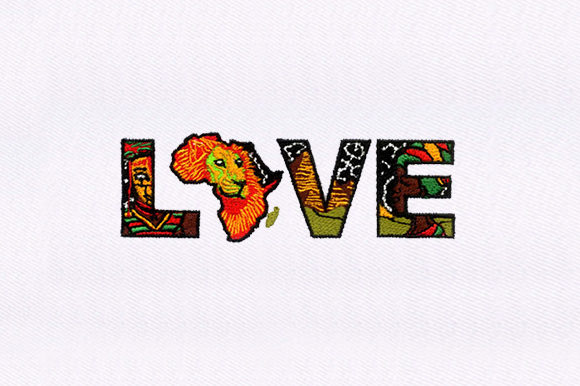
As an embroidery designer working with small businesses, I evaluate every design for its potential as a branded asset, not just decoration. The Continent Africa Map machine embroidery design, with its extensive format support including PES, DST, and JEF, presents a unique opportunity for merchants and creators.
First Impressions: Visual Personality for Brand Identity
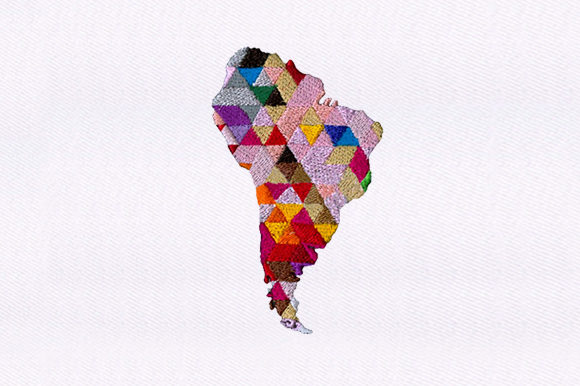
The title suggests a clear, geographic motif. For a business, this can translate into a bold, classic, and professional aesthetic. It feels modern yet grounded. If your brand is connected to travel, global-mindedness, heritage, or a specific regional focus, this design can instantly communicate that value. On first glance, it likely offers a strong outline and solid fill areas, making it feel premium and trustworthy on merchandise.
Real-World Business Applications for Small Brands
Let’s consider how a local café, boutique, or Etsy shop might use this embroidery file. The Continent Africa Map can serve as a sophisticated chest logo on staff uniforms, adding visual consistency to your team’s appearance. For a handmade shop, embroidering it onto tote bags creates a high-value, reusable product. As an embroidered patch, it becomes a versatile asset: sew it onto aprons for a bakery or florist, or use it as a sleeve detail on work shirts for a creative studio.
For product branding, a small, clean rendition of the design on a product label or packaging accent can elevate a simple item. Imagine it on a pet brand’s bandana or a boutique’s customer gift—it adds a layer of craftsmanship and brand recognition. For event merchandise or craft business assets, it provides a cohesive mark that feels intentional and designed, not generic.
Key Embroidery Projects for Merch Creators
- Embroidered Patches: For standalone branding on jackets, bags, or as collectibles.
- Cap Embroidery: A bold statement on the front of caps for teams or retail.
- Apron Design: A professional touch for hospitality or craft businesses.
- Tote Bag Design: Transforms a simple bag into branded merchandise.
- Product Label Accents: Small-scale application on handmade product tags.
- Uniform & Apparel: Chest or sleeve embroidery for staff uniforms.
Where to Use This Design Carefully
Success in commercial embroidery depends on foresight. With a design like the Continent Africa Map, pay close attention to scale. When reducing it for a small patch size or a cap front, intricate details like tiny lettering or tight internal outlines might need simplification—test first. High stitch density in the fill areas can be challenging on curved surfaces or textured fabric; proper stabilizer choice is critical.
On dark uniforms, thread color contrast is paramount. Always test a sample on the actual fabric. Items destined for frequent washing, like work shirts or aprons, require robust stitch construction to maintain integrity. For these applications, reviewing the file’s actual stitch count and density before production is a must.
Impact on Brand Identity and Customer Perception
Using a well-executed embroidered design directly affects your brand’s perceived value. The Continent Africa Map, when embroidered cleanly, signals professionalism and attention to detail. It builds customer trust through visual consistency. On handmade products, it bridges the handmade presentation with commercial polish, enhancing buyer engagement.
For a small business, this design can become a central part of your visual identity, repeated across uniforms, merchandise, and gifts. It creates a recognizable mark that distinguishes your products in a crowded market. It’s not merely decorative; it’s a strategic brand asset.
Practical Designer Notes for Commercial Use
Before running this digital embroidery file on a production batch, follow these steps.
- Test in Monochrome First: Run the design in black and white thread on your test fabric to evaluate its fundamental structure without color distractions.
- Check Small-Scale Performance: Hoop it at the smallest intended patch size to see if details remain clear and stitches don’t bunch.
- Review Thread Color Contrast: Plan your color palette against your actual apparel or merchandise background colors.
- Inspect Spacing and Density: Look for adequate spacing between elements to prevent thread breaks or fabric puckering.
- Confirm Hoop Size Compatibility: Ensure the design fits within the hoop sizes you use for your standard products, like caps or tote bags.
- Test on Real Fabric: Embroider a sample on the exact fabric and item you’ll use—denim for patches, twill for caps, canvas for totes.
- Use Proper Stabilizer: Match your stabilizer to the fabric texture and the design’s stitch density to ensure a flat, professional finish.
- Create a Printable Mockup: Generate a mockup for client or internal approval before committing to bulk production.
- Compare with Other Assets: See how the embroidered Continent Africa Map looks beside your other logo elements or design assets for harmony.
- Confirm Commercial Licensing: Always verify the license terms of the embroidery file for business use before selling any finished product.
Final Thoughts for Merchandise Success
The Continent Africa Map machine embroidery design holds significant potential for small business merchandise. Its value lies in its adaptability across formats and applications. By treating it as a core brand element and applying rigorous pre-production tests, you can transform this digital file into powerful embroidered patches, custom apparel, and branded products that resonate with your audience and elevate your business’s visual story.