A Designer's Look at the Cute Crocodile Keyfob Design
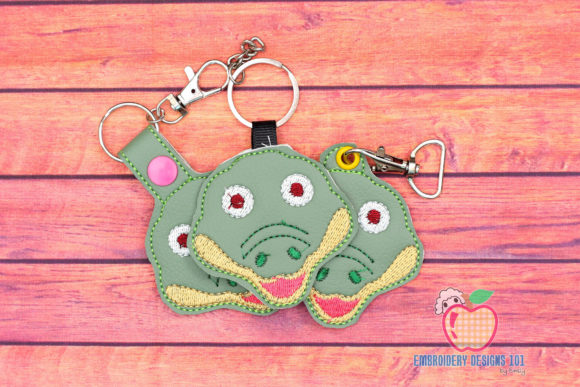
When you download an embroidery file for a real project, you’re not just getting stitches—you’re investing time, materials, and your reputation on how it turns out. That’s exactly how I approached the Cute Crocodile Head in the Hoop Keyfob design. My first impression was a pleasant surprise: it’s not just a crocodile, it’s a character. The design has a playful, almost friendly personality, which immediately opens up its application beyond the obvious. It feels less like a literal marine reptile and more like a charming mascot, perfect for adding a unique touch to handmade products.
The Charm Factor and Where It Works Best
This design creates a mood of lighthearted fun. The shape is compact and well-balanced, with details like the eye and snout texture that suggest good stitch definition without being overly dense. This visual personality makes it incredibly versatile. I immediately thought of it on a child’s tote bag for the pool or beach, or as a whimsical accent on a kitchen towel for someone who loves a quirky home aesthetic. For a small business owner, this could become a signature item—think personalized keyfobs for a boutique or as a fun add-on gift with a larger purchase.
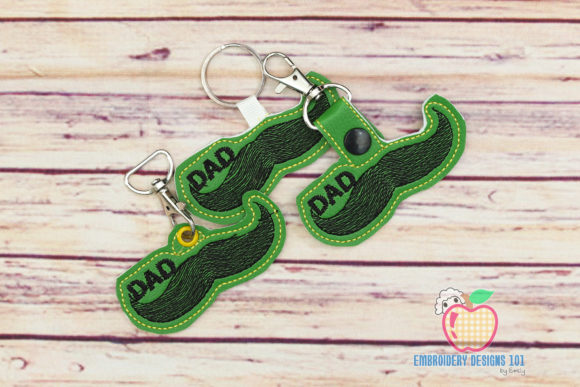
I tested the concept by imagining it stitched on a mid-weight cotton sweatshirt. The 4x4 hoop-friendly size is practical for many common garments and items. The fact that it includes three versions—Snap Tab, Eyelet, and Ribbon—is a significant practical advantage. It means you, as the embroiderer, can decide the final function based on your materials or customer request without needing to modify the core artwork. This flexibility is a mark of a well-thought-out digital embroidery file.
Performance in Real Project Scenarios
Let’s walk through a real case. I envisioned preparing a custom baby gift set—perhaps a matching bib and cap. The cute crocodile head, stitched in soft greens and whites, would be a delightful, non-gender-specific theme. On the bib, using the snap tab version, it becomes a functional keyfob for a diaper bag. On the cap, as a simple applique, it’s a charming decoration. This cohesion across products adds value and thoughtfulness.
For an Etsy seller or craft fair vendor, this design is a solid asset. It’s recognizable enough to attract attention but unique enough to stand out from generic animal motifs. Stitched onto a durable canvas tote, it elevates a simple bag into a themed, handmade product. As an embroidered patch, it could be applied to backpacks or aprons, appealing to both kids and adults with a sense of fun. The key is its execution: a clean satin stitch outline and thoughtful fill stitch areas should result in a professional finish that builds customer trust in your craftsmanship.
Where a Designer Would Advise Caution
While the design is adaptable, your choice of application matters. On very textured fabrics like some towels, or on thin, stretchy fabrics without proper stabilizer, the smaller details might lose clarity. Dark fabric backgrounds will require careful thread color selection to maintain that friendly, bright character—test on scrap first. Since it’s a contained, detailed shape, applying it to a curved surface like a cap brim demands precise hooping and stabilization to prevent distortion.
Also, consider the product’s lifecycle. Items like keyfobs or tote bags meant for frequent use and washing need a robust stitch density and secure attachment. The included eyelet version, for example, would be ideal for a sturdy key ring, but ensure your stabilizer and thread choices support that durability. This isn’t a design weakness; it’s simply the practical reality of commercial embroidery and creating long-lasting handmade products.
Impact on Your Work and Your Customer
Using a design like this effectively affects more than just the stitchout. It influences visual appeal and perceived value. A clean, cheerful crocodile head on a plain tea towel instantly makes it giftable. For a creative entrepreneur, consistently using such well-proportioned designs across your line—say, on aprons, pillow covers, and nursery decor—builds a cohesive brand identity. It signals professionalism and attention to detail.
The design’s inherent “cuteness” drives engagement. It’s approachable. In printable mockups for your online shop or in photos of actual finished products, it communicates a specific, friendly vibe that can attract a buyer looking for a personalized gift or a unique accessory. It’s not just another marine mammals motif; it’s a conversation starter.
Essential Designer Notes Before You Stitch
My final review advice is always hands-on. Always test the design on a scrap of your intended fabric first. This reveals the true stitch density, how the colors interact with your background, and whether any small elements need thread adjustment. Check the hoop size compatibility against your actual machine; the design is noted as 4x4 hoop friendly, but confirm this with your machine’s specifications.
Play with color contrasts. Try a mockup in black thread on white fabric, and white thread on dark fabric, to see how the details hold up. Use the appropriate stabilizer for your project—this is critical for maintaining that sharp shape. Most importantly, clarify the licensing terms for this digital embroidery file. Before selling finished items at craft fairs or as part of your small shop merchandise, ensure your use aligns with the designer’s policy. This protects your business and respects the digital product creator.
The Cute Crocodile Head in the Hoop Keyfob is a thoughtfully constructed design asset. It provides flexibility, a strong visual character, and practical formats that translate directly into sellable, giftable, and enjoyable embroidery projects. By approaching it with a designer’s eye for context and execution, you can turn this file into a standout piece in your handmade collection.