A Designer’s Review: The Old Vintage Car Keyfob Keychain ITH
Whenever I’m about to stitch a new design for a project or consider it for my product line, I take a moment to really look at it. Not just as a file, but as a finished object. Today, I’m looking at the Old Vintage Car Keyfob Keychain ITH, an in-the-hoop embroidery design.
First Impression: Where This Design Finds Its Home
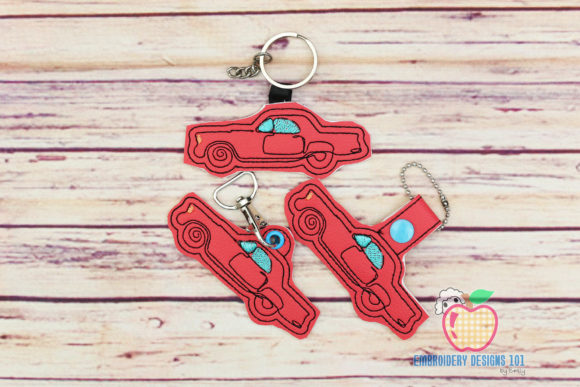
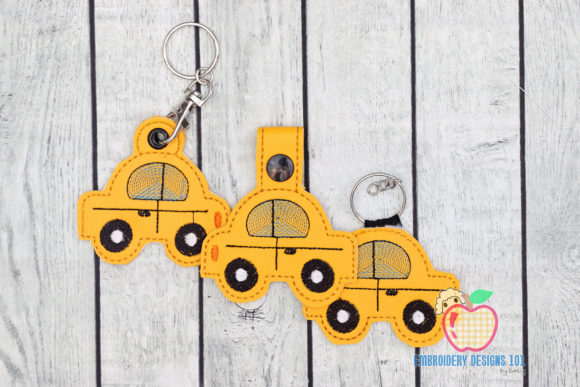
The theme here is classic transportation nostalgia. It’s not a flashy, modern car but an old vintage one, which immediately sets a mood. It feels sentimental, a bit timeless, and inherently giftable. The shape is contained and keyfob-oriented, which tells me it’s designed to be a functional item, not just a decorative motif. The layout is straightforward – the car illustration is the star. The detail level appears balanced: enough to suggest character without becoming overly dense and problematic for smaller hoop sizes. Its visual personality is friendly and approachable, leaning more towards a charming keepsake than a technical drawing. This design naturally belongs to projects where personalization and a touch of warmth are key.
I picture this stitched onto a cotton twill key fob for a father’s birthday gift, or perhaps as a small patch on a denim jacket for a car enthusiast. It would also work beautifully as a decorative accent on a canvas tote bag for someone who loves vintage fairs, or even as a standalone in-the-hoob keychain sold at a craft fair. The 4x4 hoop compatibility mentioned means it’s accessible for most hobbyists and small businesses, which is a practical plus.
Performance in Real-World Projects
Let’s walk through a real scenario. Imagine you’re an Etsy seller preparing a batch of personalized gifts for a holiday season. You want items that stitch up cleanly, have clear visual appeal, and feel substantial as handmade products. This keyfob design, with its included Snap Tab, Eyelet, and Ribbon versions, offers flexibility. You could produce a classic snap keychain, a more decorative ribbon-loop version for a bag, or an eyelet style for a different hardware. That’s thoughtful from a designer’s perspective – it gives you product variety from one embroidery file.
For custom apparel, like a sweatshirt or t-shirt, the design would need to be placed considerately due to its specific keyfob shape. It might work best as a small chest emblem or sleeve detail rather than a large centerpiece. On a baby item, like a blanket corner, it could be a sweet detail for a family with a vintage car hobby, but I’d be mindful of the stitch density and use a very soft backing. As a patch, it’s a ready-made concept, especially for the transportation category. For kitchen towels or aprons, it adds a thematic, masculine touch for a garage or workshop setting. The value here is in its niche appeal – it speaks directly to a certain interest, which can deepen customer engagement and trust when your product line feels curated.
Where to Use Caution: Practical Embroidery Considerations
While the design is described as 4x4 hoop friendly, which is excellent, any design with defined corners and a contained border requires attention on textured or stretchy fabrics. On a cap’s curved surface, for example, achieving perfect alignment on the keyfob’s straight edges would need careful hooping and stabilizer. Thin fabrics might show distortion if the stitch density is high in areas like the car fill. Dark fabric backgrounds will demand high-contrast thread colors to keep the vintage car details clear – a test stitch on scrap is essential.
The small details, like potential tiny lines on the car illustration, need to be inspected in a test run. Dense stitch areas can make a finished product stiff, which isn’t ideal for keyfobs meant to be handled frequently. And for items needing frequent washing, like apparel, securing the stitches with proper stabilizer during the embroidery process is non-negotiable for longevity. This isn’t a design I’d automatically put on a stretchy knit without significant testing first.
Impact on Appeal, Value, and Your Business
From a commercial standpoint, this embroidery design affects several things. Its stitching clarity will directly influence the perceived quality of your finished product. A crisp, clean vintage car on a keychain looks professional and builds buyer confidence. The handmade presentation benefits from a design that is instantly recognizable and has a story – the “old vintage car” theme. For brand consistency, if your small shop focuses on nostalgia or transportation-themed merchandise, this fits seamlessly. Its giftability is high, particularly for personalized products where you might add a name or date.
For an embroidery designer or digital product seller offering the file itself, providing customers with clear notes about these practical considerations – like recommending stabilizer types or ideal fabrics – adds immense value and establishes you as an expert. The design’s commercial use potential seems inherent, but as always, confirm the specific licensing terms before selling finished items or including it in your digital product bundles.
Essential Designer Notes Before You Stitch
My routine for any new embroidery file like this one involves a few key steps. First, always stitch it out on scrap fabric similar to your target material. Check the thread color contrast against both light and dark backgrounds – sometimes a detail pops on one and disappears on the other. Review the stitch density by feeling the stitched sample; is it too stiff for a keyfob that should be flexible? Confirm your hoop size alignment; even if it’s 4x4 friendly, your machine’s actual grip matters. Inspect those small details in the car illustration; running stitches can sometimes merge if too fine.
I also recommend testing the design in a simple black and white mockup for your product listings. This helps visualize it as a finished product without color distractions. Comparing it on light and dark fabric in mockups can guide your marketing photos. Use proper stabilizer – for an in-the-hoop keyfob, a firm cut-away might be best to maintain shape. Finally, and crucially, check whether the design’s license clearly covers both personal and commercial projects if you intend to sell the physical keychains or other items. This due diligence protects your craft business and builds a professional practice.
The Old Vintage Car Keyfob Keychain ITH is a charming, niche design with practical flexibility built in through its three versions. It won’t be for every project, but for those where a touch of vintage transportation nostalgia is needed, it performs with a clear, focused personality. It reminds me that a good embroidery design isn’t just about the artwork in the software; it’s about the tangible, stitched object it becomes and the story that object tells for your customer or your client.