Reviewing The Easter Egg with Designs Applique for Real Projects
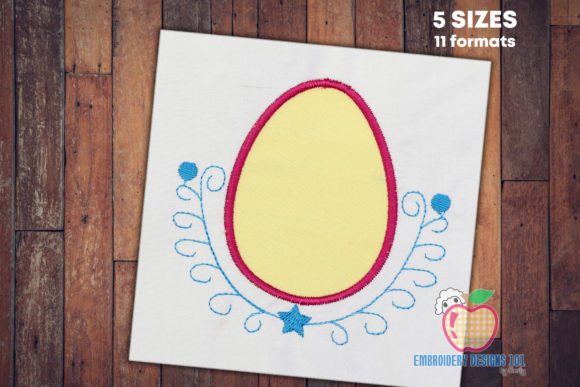
When a new embroidery file lands on my desk, my first question is always practical: where does this design belong in the real world? Looking at The Easter Egg with Designs Applique, it’s immediately clear this isn’t just a seasonal graphic. It’s a layered composition with personality. The central egg acts as a canvas, housing a collection of smaller, intricate motifs inside—it feels like a little treasure chest of patterns. This structure gives it a sophisticated, crafted look that goes beyond a simple holiday icon. The mood is festive yet detailed, playful but polished.
Where This Applique Design Finds Its Home
In my studio, I picture this design stitched onto a natural canvas tote bag. The applique construction, where fabric pieces are layered under stitches, would give the main egg body a wonderful tactile quality on that material. The interior designs, likely executed with satin and fill stitches, would pop with texture against the applique base. This isn’t a design I’d default to a basic t-shirt. Its complexity and celebratory nature call for a product that can carry its weight: a premium sweatshirt for a spring boutique, a decorative pillow cover for a nursery, or a high-quality apron as a holiday gift. For Etsy sellers and small shop owners, this translates into a product that feels special, increasing its perceived value and giftability.
Visual Impact and Customer Appeal
Stitched out, the success of this design hinges on clarity. The separation of steps by color changes, as noted, is a crucial technical advantage. It means each element—the outer egg border, the applique fabric, and the internal designs—will be distinct. This clarity is what builds customer trust. On a finished product, like an embroidered tea towel or a child’s blanket, that clean definition makes the handmade presentation look professional, not homemade. It tells a buyer that care was taken. For apparel decorators or craft business owners, that professional finish is what turns a casual viewer into an engaged buyer.
The Practical Stitching Considerations
While the design promises multiple embroidery file formats for machine compatibility, its real-world performance depends on thoughtful execution. The detail level suggests a moderate to larger hoop size is ideal. I would not attempt this on a very small hoop area, as the interior motifs need space to breathe without stitch crowding. Fabric choice is key. The applique element means stabilizer selection is paramount—a firm cutaway for towels or bags, a softer one for apparel—to prevent puckering.
Texture matters. On a smooth cotton pillow cover, the satin stitches will shine. On a textured sweatshirt fleece, the fill stitches in the smaller designs might need a higher density to look solid. Always, test on scrap fabric first. Pay special attention to stitching on dark fabric. The design’s appeal relies on contrast; thread color selection against a navy or black background must be deliberate and bright to maintain the cheerful mood.
Navigating Potential Challenges
Some applications require extra caution. Curved surfaces like caps can distort the circular egg shape if not hooped meticulously. The potential for dense stitch areas in the internal patterns means lightweight or stretchy fabrics might struggle; they’re not the best fit. Products destined for frequent washing, like baby clothes, need robust stitching—checking that the applique edges are secure and the fill stitches are dense enough to withstand laundering is a must. For digital product sellers offering this as a design asset, providing these usage notes to customers adds immense value.
Building a Project Around the Design
Let’s walk through a real case: preparing a custom embroidered baby bib for a spring gift. The bib’s small size focuses the design. Using a light-colored fabric, the egg becomes a bright, engaging centerpiece. The internal designs add a surprise element of detail for the parent. The project’s success involves checking thread colors for high contrast against the bib fabric, using a sturdy stabilizer to handle the applique layer, and ensuring the final stitch-out isn’t too rigid for the baby’s comfort. This thoughtful application turns a generic holiday embroidery into a personalized product with real emotional weight.
For commercial embroidery projects, such as a run of branded tote bags for a local market, consistency is king. Testing the design in black and white printable mockups helps visualize it on different products. Confirming the licensing terms—whether it’s suitable for commercial use—before selling finished items is a fundamental step. The design’s layered nature can enhance brand consistency for a boutique, making their merchandise recognizable and cohesive.
Final Designer Notes for Your Toolkit
My final judgment on The Easter Egg with Designs Applique is positive for makers who match it to the right project. Its strength is its composite structure, offering visual depth. It asks for a bit more planning than a simple running stitch motif, but rewards that effort with a standout finished product. Before loading the file, review the provided formats for your machine, plan your hoop size around the detail, and always stitch a sample. This design, when placed well, elevates a basic item into a keepsake. It’s a solid choice for the creative entrepreneur looking to add a detailed, festive touch to their embroidery project lineup.