Oak Leaves and Acorn: A Design Review for Real Projects
When you’re looking at a new embroidery file for your business or your next personal project, you’re not just judging a picture. You’re evaluating a tool. You’re thinking about how it will perform on fabric, how it will feel in the hoop, and ultimately, how it will look on a finished product. Let’s talk about the Oak Leaves and Acorn design from that practical, in-the-studio perspective.
The First Impression: Quiet, Classic Woodland Charm
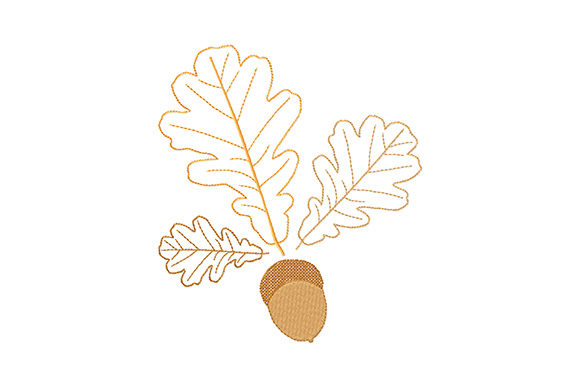
Opening this embroidery design, you get a sense of calm, rustic elegance. The arrangement of the oak leaves and acorn isn’t overly dramatic or busy; it has a balanced, natural flow. This isn’t a loud, statement piece. It’s more of a subtle, quality accent. That tells me immediately that its strength lies in applications where you want to add a touch of sophistication or a natural theme without overwhelming the item. The detail level appears thoughtful—enough to give the leaves character, but not so intricate that it would become a nightmare on certain fabrics. Its visual personality is warm, autumnal, and timeless.
Where This Design Naturally Belongs
Given its theme and mood, Oak Leaves and Acorn feels destined for projects that evoke comfort, heritage, or the outdoors. Imagine a custom embroidered tote bag for a small boutique that sells handmade soaps and candles. This design on the corner of a natural canvas bag would speak perfectly to that brand’s earthy, authentic vibe. Or consider a personalized gift, like a set of embroidered pillow covers for a friend’s cabin or a wedding present for a couple who loves the forest. The design’s classic quality makes it giftable.
For commercial embroidery, think about product lines. It could be a beautiful, repeating element on a line of kitchen towels for an Etsy seller specializing in home goods. It would work wonderfully on the breast pocket of a linen apron for a small shop. On a baby’s blanket or a knit sweater, it offers a gentle, natural motif that parents often love. It’s also a strong candidate for an embroidered patch, applied to a backpack or hat, given its contained, recognizable shape.
Visual Appeal and Product Value in Real Use
When stitched out, a design like this can significantly elevate the perceived value of a handmade product. On a simple tea towel, it transforms it from a utility item into a decorative piece. For an apparel decorator putting it on a sweatshirt, it creates a point of interest that feels intentional and well-crafted, not just a generic graphic. This builds customer trust. They see the care in the detail. For a creative entrepreneur, using a cohesive, well-executed design like this across a small collection—say, on towels, pillowcases, and tote bags—reinforces brand consistency. It looks professional.
Navigating the Practical Stitching Considerations
Now, let’s move to the machine. While the description calls it a "qualitative embroidery," our job is to ensure that quality translates into thread. The design’s success will hinge on execution. With natural shapes like leaves and an acorn, pay close attention to stitch density, especially in the fill stitch areas. Too dense on a thin t-shirt, it could pucker. Too light on a towel, it might not pop. Always test on scrap fabric first, using the same material and stabilizer you plan for the final product.
Thread color contrast is key here. The autumn theme suggests richer, deeper tones. On a light fabric, classic greens and browns will look stunning. On dark fabric—like a navy sweatshirt or black cap—you’ll need to plan your thread palette carefully to ensure the leaves don’t get lost. I’d recommend testing it in a black and white mockup or a quick stitch-out on a dark scrap to check clarity. Small details, like the stem of the acorn or the veins in the leaves, will need a good stabilizer and appropriate hoop size to remain crisp.
Scenarios Where You Should Proceed with Caution
This design has areas that require a thoughtful approach. I would use it carefully on:
- Very small hoop sizes: If the design is scaled down too much, the finer details could merge and become muddy.
- Highly textured or stretchy fabrics: A loose knit sweater or a stretchy cap might distort the clean lines of the leaves unless stabilized perfectly.
- Products needing frequent, harsh washing: On an everyday kitchen towel, the stitches will hold up well, but on a baby item that’s washed constantly, consider thread quality and maybe even a slightly simplified version if the file allows editing.
- Curved surfaces like caps: The design’s layout needs to fit the curve. Its organic shape might adapt well, but always check placement with a template first.
The goal is to preserve that "walk in the forest" feeling in the finished product, not to fight with the fabric.
Turning a Design into a Business Asset
For digital product sellers, craft fair vendors, and small shop owners, Oak Leaves and Acorn represents a versatile design asset. It can be the centerpiece of a printable mockup for your online store, showing customers how it looks on a pillow. It can be the repeat pattern for a limited-run collection. Its theme taps into popular niches: forest, autumn, rustic, heritage. That can drive buyer engagement.
A crucial final note for any commercial use: before selling finished items or offering this as part of your digital embroidery file catalog, confirm the licensing terms. Ensure your use—personal or commercial—is covered. This basic step protects your business and respects the designer’s work.
In the end, the Oak Leaves and Acorn embroidery design offers a solid, evocative tool for makers. It’s not a flashy trend piece; it’s a reliable, classic motif that, when stitched with care on the right project, can create products that feel handmade, thoughtful, and genuinely appealing. It’s a design that does its job quietly and well, which is often exactly what you need for a real embroidery project.